
A page in progress
When grief has no easy words
If your loved one died specifically for being faithful to God and the Christian life, God views their death very differently than someone who died of natural causes or a freak accident. Most scholars agree the Bible was written over a period of 1,300–1,600 years, with the Old Testament being written over a 1,000-year span and the New Testament being written over roughly 50–55 years (with a gap between the Old and New Testaments to account for the overall 1,300–1,600-year span). The reason this is important to understand is that the deaths of the saints are a common theme throughout the Bible, which means this is a recurring theme throughout multiple millennia of history.
The very first person born on the earth became a murderer. The reason Cain killed his younger brother, Abel, is similar to the reason so many people of the Christian faith are killed. Cain was angry that Abel’s sacrifice was accepted, and God told him to do better. After Cain killed his younger brother, what did God say? Genesis 4:10 (ESV): “And the LORD said, ‘What have you done? The voice of your brother’s blood is crying to me from the ground.’” Why did Cain kill his brother? We probably already suspected this as we read the chapter in Genesis, but we do not have to speculate: 1 John 3:12 tells us directly that he killed him because his own deeds were evil and his brother’s were righteous.
Faithful Unto Death: A Biblical Thread Across the Canon
Passages specifically about righteous or faithful people facing death, being killed, and how God regards their faithfulness.
Revelation 2:10
| Reference | Event / setting | Approx. date written (or composition) | Short ESV excerpt or theme | What it shows about God’s view of faithful suffering/death |
|---|---|---|---|---|
| Genesis 4:10 | Cain murders Abel; primeval history. The event itself cannot be assigned a historically established calendar year. | Traditional Mosaic dating: c. 1400 BC Modern critical final-form dating: Persian period, roughly 500–400 BC. | “The voice of your brother’s blood is crying to me from the ground.” | God hears innocent blood; Abel’s death is not hidden from Him. |
| Psalm 116:15 | A faithful worshiper reflecting on deliverance from death. | Likely post-exilic; roughly 500–300 BC (uncertain). | “Precious in the sight of the LORD is the death of his saints.” | The death of God’s faithful people is weighty/precious in His sight, not insignificant. |
| Matthew 5:10–12 | Jesus teaches about persecution; part of the Sermon on the Mount. Spoken roughly AD 27–30/33. | c. AD 80–90 (event context: AD 27–30/33) | “Blessed are those who are persecuted for righteousness’ sake.” | Those persecuted for faithfulness are blessed by God. |
| Matthew 10:28 | Jesus prepares His disciples for persecution. | c. AD 80–90 (event context: AD 27–30/33) | “Do not fear those who kill the body but cannot kill the soul.” | Persecutors have limited power; eternal destiny remains with God. |
| Matthew 10:39 | Same persecution discourse. | c. AD 80–90 (event context: AD 27–30/33) | “Whoever loses his life for my sake will find it.” | Losing earthly life for Christ is not ultimate loss. |
| Matthew 16:24–25 | Jesus calls disciples to take up the cross. | c. AD 80–90 (event context: AD 27–30/33) | Whoever loses his life for Christ’s sake will find it. | Faithful self-sacrifice is viewed through an eternal horizon. |
| John 12:25–26 | Jesus speaks shortly before His death. | c. AD 90–100 (event context: AD 30/33) | “If anyone serves me, the Father will honor him.” | God promises honor to the one who serves Christ even at great earthly cost. |
| Romans 8:35–39 | Paul addresses persecution and death among believers. | c. AD 57 | Persecution and even death cannot separate believers from God’s love (v. 36 speaks of being “killed all the day long”). | Death does not sever the believer from God’s love. |
| Hebrews 11:4 | Looks back to Abel. | c. AD 60–90 | Abel, though he died, he still speaks through faith. | The faithful witness of the righteous is not erased by death. |
| Hebrews 11:35–38 | Faithful people tortured, imprisoned, and killed rather than abandon faith. | c. AD 60–90 | Some endured torture and death; “of whom the world was not worthy.” | God’s valuation of the faithful reverses the world’s verdict on them. |
| Hebrews 12:24 | Abel’s blood contrasted with Jesus’ blood. | c. AD 60–90 | Jesus’ blood “speaks a better word than the blood of Abel.” | Abel’s blood remains a biblical symbol of innocent blood crying out, while Christ’s blood speaks the greater word of redemption. |
| Revelation 2:10 | Persecuted Christians facing imprisonment and possible death. | c. AD 95–96 | “Be faithful unto death, and I will give you the crown of life.” | Christ explicitly promises life and reward to those faithful through death. |
| Revelation 6:9–11 | Souls of those slain for the word of God and their testimony. | c. AD 95–96 | Those slain for God’s word cry to God for justice. | God remembers the martyrs, receives their appeal, and promises justice. |
| Revelation 12:11 | Faithful witnesses overcome despite death. | c. AD 95–96 | “They loved not their lives even unto death.” | Their death is portrayed not as defeat but as faithful overcoming. |
From Abel’s blood crying from the ground to the martyrs crying before God’s throne, Scripture repeatedly presents the death of the faithful as seen by God, precious to Him, never forgotten, and ultimately answered with life, honor, and justice.
This doesn’t minimize the pain that you are suffering through. It is an intense pain. But it does show a few things. First, it’s not uncommon for evil to try to destroy the good and faithful throughout history. This story plays out over and over in different settings across time. Second, God is watching these deaths, and the sacrificial act these saints are performing is extremely precious to him. Finally, the reward he promises to those who love him more than their own lives is amazing.
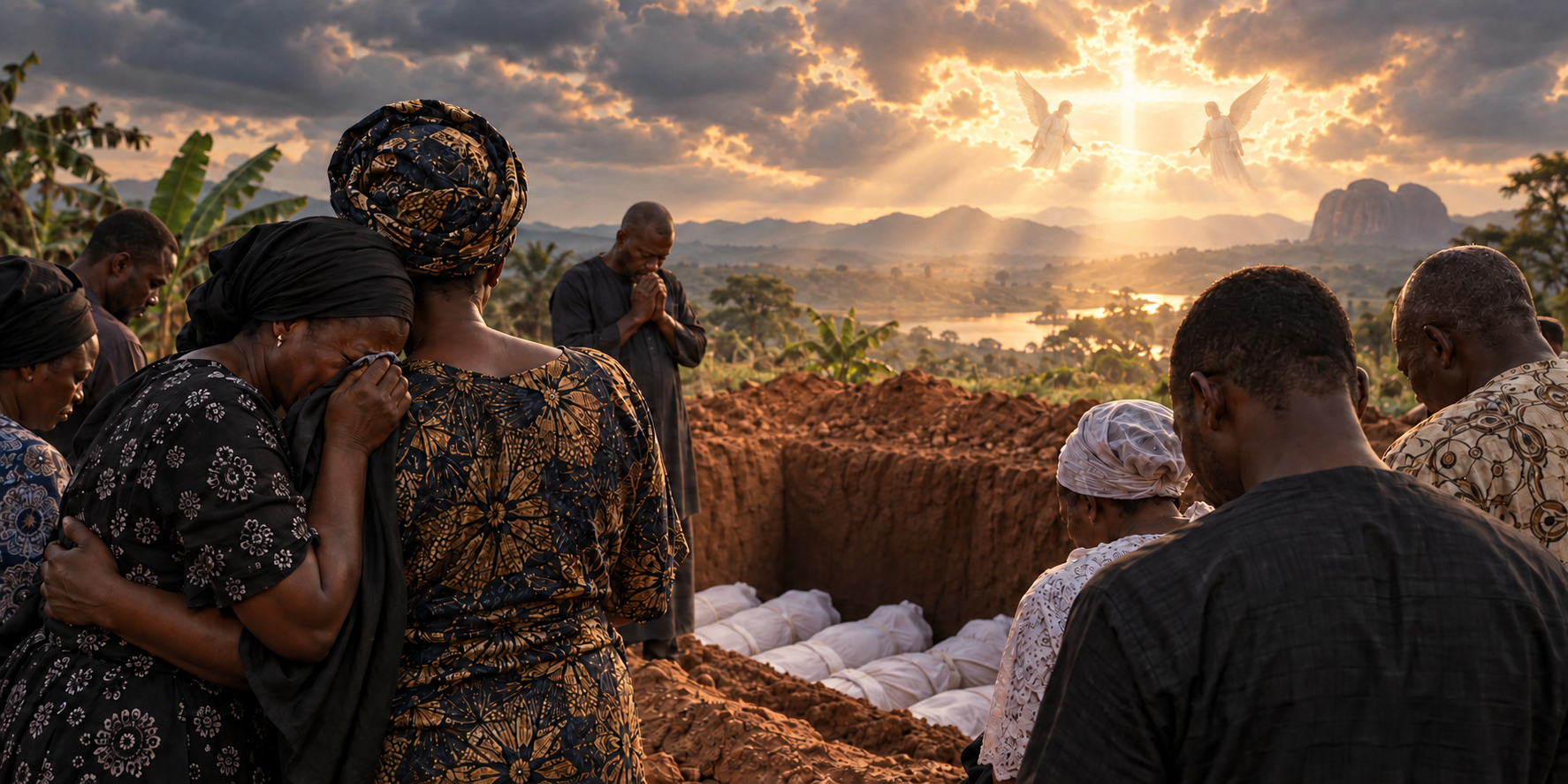
One verse that gives us a glimpse of how God feels about so much of what happens on planet Earth is Psalm 7:11 (ESV): “God is a righteous judge, and a God who feels indignation every day.” If the pain, sadness, and indignation you have about the lack of justice are deep, can you imagine how much stronger that is for a perfect God who is more righteous than you and me and sees much more than you and me? I can only imagine how indignant he surely is.
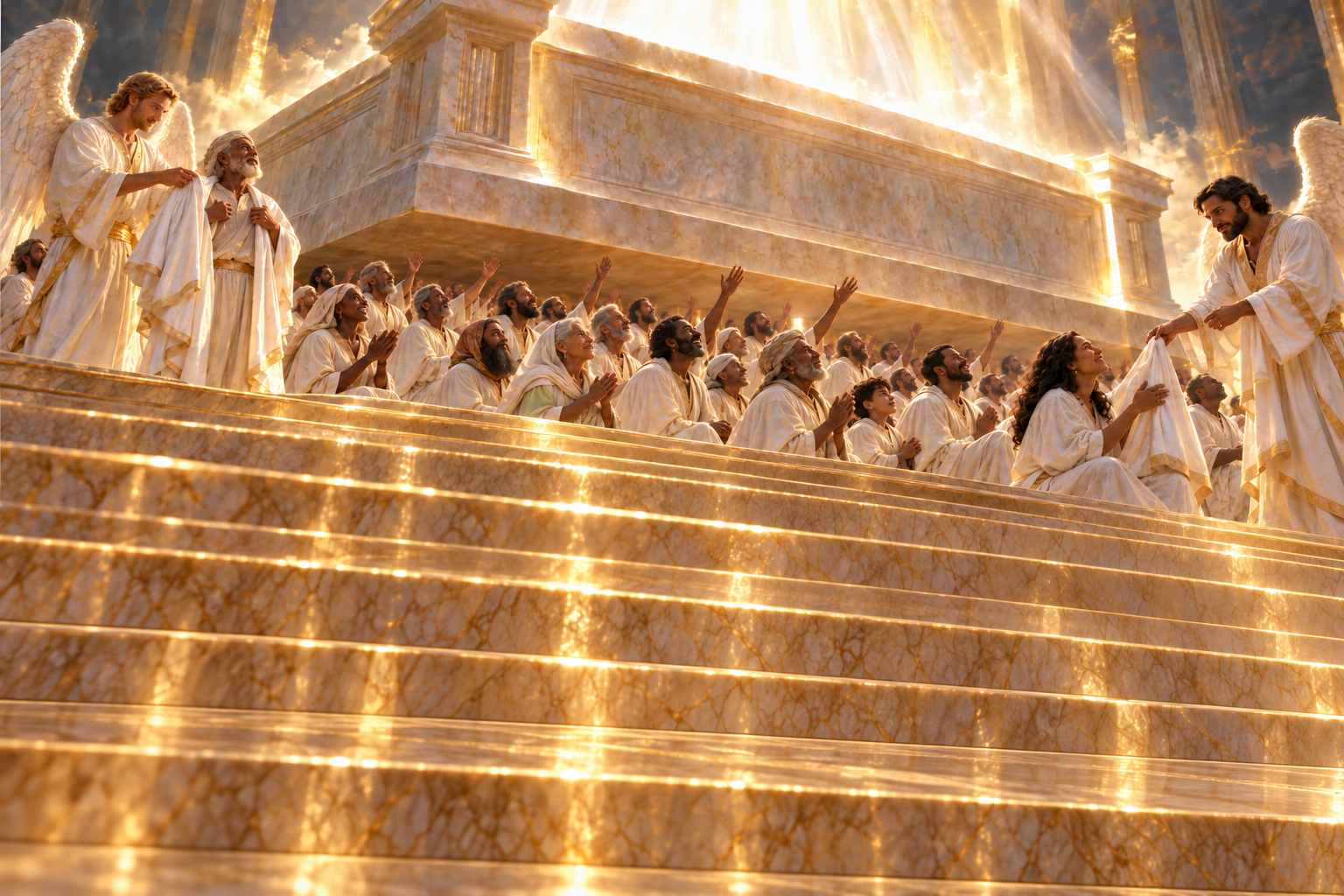
Revelation 6:9–11 (ESV)
9 When he opened the fifth seal, I saw under the altar the souls of those who had been slain for the word of God and for the witness they had borne. 10 They cried out with a loud voice, “O Sovereign Lord, holy and true, how long before you will judge and avenge our blood on those who dwell on the earth?” 11 Then they were each given a white robe and told to rest a little longer, until the number of their fellow servants and their brothers should be complete, who were to be killed as they themselves had been.
My interpretation is that God already knows ahead of time who will be killed for their faith and who will not. Some Christians understand the “number” in Revelation 6:11 symbolically, as the full company of faithful witnesses rather than a specific tally. Even if the number is understood symbolically, it points to real people. At any point in history, the number of people who have lived and died is finite, and God knows each one. We do not have to settle exactly what John means by the number to take comfort from this passage: these faithful witnesses are known to God, and their cry is heard. Secondly, while his indignation is growing every day from what he sees, he is self-disciplined enough to stick to his plan. My understanding is that he has a specific number in mind so that, when this number is reached, the saints’ requests for justice will be addressed. Can you imagine what could be so glorious that God is willing to accept this clear contradiction to his will? What does he have in mind? Of course, as Paul says, we can’t even comprehend how wonderful it will be. We don’t know, and this is speculation, but we do know that God is more righteous than us and that he intentionally isn’t executing justice for a particular reason. Furthermore, Revelation 22:11–12 says, “Let the evildoer still do evil, and the filthy still be filthy, and the righteous still do right, and the holy still be holy.” And then Christ himself says, “Behold, I am coming soon, bringing my recompense with me, to repay each one for what he has done.”
Wow. What an amazing future! Dear Christian, you have already paid a dear price as you watch your loved one lay down their life. Don’t give up! The word of God speaks to this as an experience that many will have (even in Hebrews 11). Your experience confirms this. Know that God is watching you, and your pain and suffering aren’t being ignored as he cares for you! Revelation gives us a picture of the faithful dead as known by God, and their cry for justice as heard.
As I have alluded to on this website, to paraphrase Jim Elliot (the missionary martyr): “He is no fool who gives up what he cannot keep in order to gain what he can never lose.”
Working draft. The text and artwork still need your review.